Build a Second Brain: How to Organize Your Digital Life with a Universal Wishlist
In the fast-paced digital landscape of 2026, the sheer volume of information we encounter daily can be overwhelming. From insightful articles and viral videos to must-have products and academic papers, our digital lives are often scattered across dozens of open tabs and forgotten bookmarks. To stay productive and creative, you must build a second brain. By centralizing your inspirations and tasks into a single, organized system, you transform “digital clutter” into a “digital treasury.”
The 2026 Era of Information: Why You Need a Second Brain
We have moved past the age of simple search. Today, we live in an era of constant flow. If you don’t have a dedicated system to build a second brain, your best ideas will inevitably slip through the cracks. A second brain isn’t just a folder of links; it is an external, digital extension of your mind that allows you to store, retrieve, and connect information seamlessly.
Moving Beyond “AI Slop” with Human + AI Collaboration
One of the biggest challenges in 2026 is the rise of low-quality, AI-generated content—often referred to as “AI slop.” To truly build a second brain that adds value to your life, you need to move toward a model of Human + AI Collaboration.
Instead of letting algorithms dictate what you see, use your second brain to curate high-quality content that resonates with your specific goals. When you find a deep-dive technical paper or a unique design concept, saving it to your Trove ensures that your personal library is filled with substance, not noise. You are the curator; the AI is simply the librarian that helps you categorize and retrieve your finds.
Step 1: Centralizing Media with a Universal Wishlist
The most common mistake people make when trying to build a second brain is using different apps for different things. They use Pinterest for decor, Amazon for shopping, Pocket for articles, and YouTube for videos. This fragmentation is the enemy of organization.
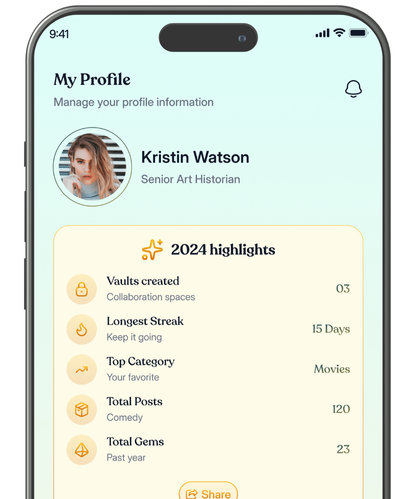
A Universal Wishlist is the foundation of a modern second brain. It allows you to treat every piece of digital content as a “treasure” worth keeping.
Organizing Books, Videos, and Products in One Place
To effectively build a second brain, your system must be agnostic to the type of media. In your Trove, you can categorize:
Educational Resources: Save YouTube tutorials alongside PDF research papers.
Consumer Desires: Keep that new mechanical keyboard link in the same project folder as your coding inspiration.
Creative Assets: Save color palettes from a website right next to the music track that matches the vibe.
By centralizing these elements, you start to see connections you otherwise would have missed. You realize the book you’re reading on data science perfectly complements the video you saved about AI engineering three weeks ago.
Step 2: The Power of the “Universal Share” Button
Speed is the key to consistency. If it takes more than two clicks to save something, you won’t do it. This is why the Universal Share feature is the most critical tool to build a second brain.
Whether you are browsing on a mobile browser, scrolling through a social feed, or reading an email, the ability to hit “Share” and send that item directly to your Trove is a game-changer. It removes the friction of curation. You no longer have to worry about “where” to put something; you just send it to your second brain and trust that it will be there when you need it.
Step 3: From Collection to Creation
Simply collecting information isn’t enough. The goal to build a second brain is ultimately to produce better work, whether you’re a student or a project manager leading a remote team.
Strategies for Digital Organization
Tag by Intent: Instead of tagging by “Topic,” tag by “Action.” Use tags like “To Read,” “To Buy,” or “Project: Kisan Market.”
Weekly Reviews: Spend 10 minutes every Sunday looking through your Trove. Archive what you no longer need and highlight what inspires your current week’s goals.
The “Treasury” Mindset: Treat your digital space like a vault. If a link doesn’t provide long-term value, don’t let it clutter your brain.
Conclusion: Start Your Trove Today
In 2026, your ability to manage information is your greatest competitive advantage. When you build a second brain, you free up your biological brain to do what it does best: think, imagine, and create.
Don’t let your best ideas disappear into the void of the internet. By using a universal wishlist and a dedicated curation tool like Trove, you are not just saving links—you are building a digital treasury that grows in value every single day.
Ready to transform your digital life?
Join our Waitlist Now and be the first to experience the future of digital curation.